
Most renovation regrets are not made on site. They are made in the first few weeks, when the decision is “let’s get this done” and the next step is taken too fast.Homes are often planned around how they will look when someone walks in. Nobody plans around how the house works at 7 a.m. on a weekday. Clients bring references and mood boards, which show a room at its best moment, never at its busiest.
How it shows up
The living room is styled for photographs, while the family eats dinner on the sofa. A formal dining table seats ten and is used by two. A sculptural console sits where the shoe rack should be, so shoes end up on the floor anyway.
None of this is bad taste. It is a brief written for an audience that isn’t there most days.
The test
Stand at your front door and ask what the house does for you in the first five minutes of coming home. If the answer is nothing, the design is facing the wrong way.
A well-designed home does not perform. It holds up to being lived in.
What to do instead
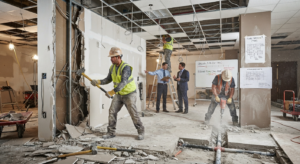
1. Calling the contractor first
The action: hiring for civil work before the design is settled.
The result: walls, points and false ceilings get built to a guess, then broken and redone. You pay twice, and the timeline slips.
Instead: finalise layout, electrical and plumbing drawings before anyone lifts a hammer.
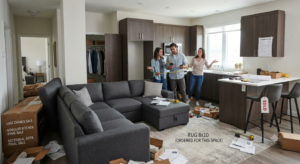
2. Buying before planning
The action: ordering the sofa, bed or modular kitchen because a sale ended Friday.
The result: the room gets designed around a purchase. Sizes clash, and doors and circulation lose the argument.
Instead: buy after the layout is fixed, with measurements in hand.
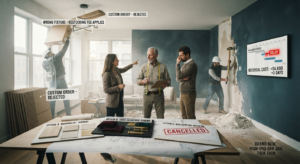
3. Setting a budget with no margin
The action: spending the whole number on the plan.
The result: something always changes on site, such as damp behind a wall, a rewired point or a revised finish. With no margin, the cuts fall on the parts you see every day.
4. Choosing finishes from a screenshot
The action: locking materials from Instagram references.
The result: what photographs well often fails in Indian conditions, such as high-gloss surfaces in dust, or the wrong flooring in humidity and heat.
Instead: see the sample in your own light, and ask how it behaves after five years.

5. Leaving decisions open
The action: starting work with the brief still undecided, or with several voices making the final call.
The result: settled choices get reopened mid-project, and every reversal costs time and money.
Instead: fix the decisions and one decision-maker before work begins.
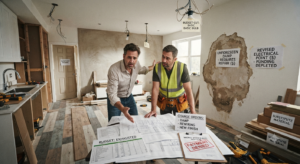
The pattern
Each mistake feels like progress on the day. Momentum is easy to mistake for planning, and the bill arrives later as delays, rework and a home that never quite fits.
Conclusion
A home is shaped in the decisions made before anything is built. Slow those down, and the rest of the project moves with fewer surprises. Rush them, and the house pays for it for years.
Planning a home? Start with the design, not the demolition. Book a consultation with Midoree Studio, and we will map the project before the first wall is touched.