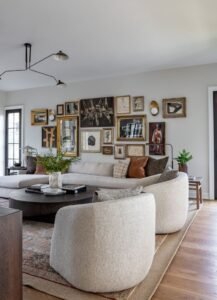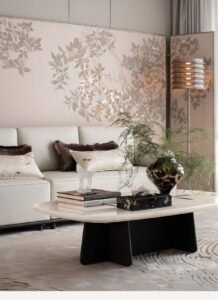
In this piece, we walk through the trends of 2026 — the ones already visible, the ones emerging, and the ones fading out. These are the shifts designers have sworn by since the world reopened after Covid.
By 2026, design has moved into a nostalgic phase, away from the sterile “peace phase” that followed the pandemic. In this new, imperfect world, we are seeing trends arrive with a kind of curated chaos — personalities taking shape in the spaces we design, rather than being smoothed out of them. Here are the ten shifts we’re watching, and using.
1. Colour
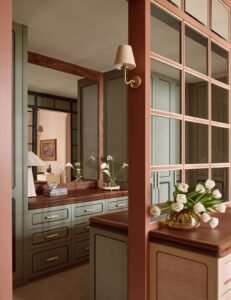
After Covid, everything went minimalist. Every beige looked the same. That shift is over. Now, colour is being used to drench a space — not as an accent, but as a way to build character. The goal is rich, layered, playful, and still serious. Colour is no longer decoration. It’s personality.
2. Real Plants
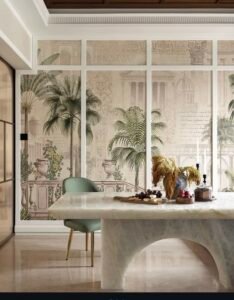
We are done with the faux ones. Nothing against low-maintenance, or even zero-maintenance — they served a purpose. But faux plants came with a kind of false perfection. We want reality now. Real plants, chosen for their low upkeep, not their plastic permanence. Give something back to nature — that’s the suggestion.
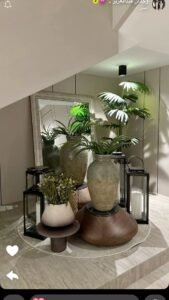
3. Local, Natural Materials
Italian marble is losing ground. Local material, sourced properly, gives you the same richness and the same luxurious look when it’s designed well. It’s more sustainable, more affordable, and inherently natural. It ages with touch, with use — and it holds a connection to the place it comes from that imported stone never will.
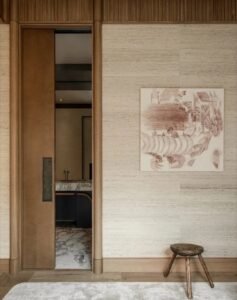
4. Pattern and Texture
Pattern and texture are making a real comeback. Mixing and matching creates a home that’s unmistakably yours — curated, not matched. The moment a room stops looking like it walked straight out of a showroom, it starts to feel like it belongs to the people living in it.
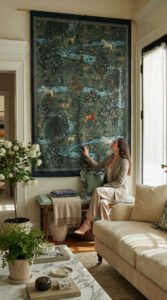
5. Memorabilia
Objects that carry memory are how a house becomes a home. The best designers use them to draw out a client’s personality — bringing pieces into a new space that recreate the feeling of nostalgia, even somewhere the client has never lived before. Memorabilia does that work quietly, and does it well.
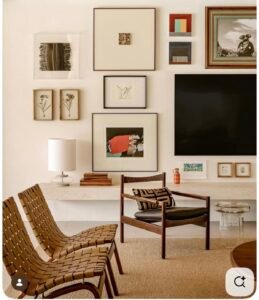
6. Hardware
Hardware is the detail that finishes a design. Thoughtfully placed, it can be playful. It’s a small percentage of the overall project — but get it wrong, and it can undo the rest. Done right, it’s where a space earns its personality in miniature.
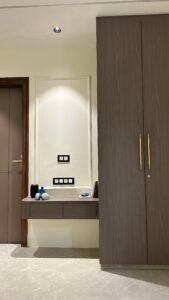
7. No Panelling, No Over-Styling
Clients and designers alike are shifting away from heavy panelling. Nobody wants perfection anymore — they want curation. Homes don’t need to look like a magazine spread. They need to look like the people who live in them, every single day.